Certificate Property Management: Your Essential UK Guide
Managing rental properties in the UK demands more than collecting rent and handling repairs. The backbone of successful property management lies in maintaining compliance certificates, tracking expiration dates, and ensuring every property meets legal standards. Certificate property management has evolved from filing cabinets stuffed with paper to sophisticated digital systems that protect landlords from costly penalties and keep tenants safe. Understanding how to organize, track, and renew essential property certificates isn't just good practice-it's the difference between a thriving portfolio and a regulatory nightmare.
The Critical Certificates Every UK Landlord Must Track
Property certificates form the legal foundation of your rental business. Missing even one creates liability exposure that could cost thousands in fines or legal action.
Gas Safety Certificates: Your Annual Non-Negotiable
Every property with gas appliances requires an annual Gas Safety Certificate issued by a Gas Safe registered engineer. This certificate proves all gas fittings, appliances, and flues meet safety standards. The 12-month validity period means you need a systematic approach to renewal scheduling.
Landlords must provide a copy to new tenants before they move in and to existing tenants within 28 days of the annual inspection. The penalties for non-compliance start at £6,000 per property and can escalate to criminal prosecution if tenant safety is compromised.
Key tracking requirements:
- Schedule inspections 30 days before expiration
- Keep digital and physical copies for at least two years
- Maintain records of engineer credentials and Gas Safe registration numbers
- Document certificate delivery to tenants with dated proof

Energy Performance Certificates and Minimum Standards
Certificate property management includes maintaining valid EPCs for every rental property. Since 2020, rental properties in England and Wales must achieve a minimum rating of E. Properties rated F or G cannot be legally rented unless they qualify for specific exemptions.
EPCs remain valid for 10 years, making them easier to track than annual certificates. However, the longer validity period often leads landlords to forget renewal dates, especially across larger portfolios.
| Certificate Type | Validity Period | Renewal Lead Time | Penalty for Non-Compliance |
|---|---|---|---|
| Gas Safety | 12 months | 30 days | £6,000+ per property |
| EPC | 10 years | 6 months | £5,000+ civil penalty |
| EICR | 5 years | 60 days | Unlimited fine |
| HMO License | 5 years | 90 days | Unlimited fine + rent repayment |
Electrical Installation Condition Reports (EICR)
Electrical safety certificates became mandatory for rental properties in England from June 2020. Every property requires an EICR conducted by a qualified electrician at least every five years, or at each change of tenancy if sooner.
The inspection examines the safety of electrical installations and identifies any defects or potential hazards. Unlike gas certificates with their straightforward pass/fail status, EICRs use a coding system that determines urgency of required repairs.
Building a Robust Certificate Tracking System
Manual spreadsheets and reminder notes scattered across devices create gaps where certificates slip through unnoticed. Professional certificate property management requires structured systems that prevent oversights.
Digital Certificate Management Platforms
Modern property management software centralizes all compliance documents in one searchable database. These platforms automatically calculate renewal dates, send advance warnings, and maintain audit trails proving due diligence.
The best systems allow document uploads from contractors, extract key data using AI, and generate compliance reports across your entire portfolio. This automation eliminates the manual work of checking individual property files and calculating renewal dates.
Essential platform features:
- Automated renewal reminders at 90, 60, and 30 days before expiration
- Contractor credential verification and tracking
- Tenant notification automation with delivery confirmation
- Portfolio-wide compliance dashboards showing status at a glance
- Document storage with unlimited capacity and backup
Properties managed through sophisticated platforms show 94% fewer compliance violations compared to manually tracked portfolios. The time savings alone justify the investment, but the legal protection provides the real value.
Creating Certificate Renewal Workflows
Effective certificate property management follows repeatable processes that ensure nothing falls through the cracks. Your workflow should start months before expiration, not days.
Standard renewal workflow:
- 90 Days Before Expiration: System flags upcoming renewal and adds to priority queue
- 75 Days Before: Request quotes from qualified contractors and schedule preferred date
- 60 Days Before: Confirm appointment and send tenant notification of access requirements
- Inspection Day: Contractor conducts inspection and uploads certificate to platform
- Within 48 Hours: Review certificate, file digitally, and send copy to tenant
- Within 7 Days: Update compliance tracker and confirm next renewal date
This structured approach prevents last-minute scrambles and ensures sufficient time to address any failed inspections or identified defects.

HMO-Specific Certificate Requirements
Houses in Multiple Occupation face additional certificate property management complexity. Beyond standard rental requirements, HMOs need specialized licenses and certificates that vary by local authority.
Mandatory HMO Licensing Certificates
Any property with five or more people forming two or more households requires a mandatory HMO license. Many local authorities also operate additional and selective licensing schemes covering smaller HMOs and specific geographic areas.
HMO licenses typically last five years and require proof of current compliance certificates as part of the application process. You cannot obtain or renew an HMO license without valid gas safety certificates, EICRs, and often additional fire safety documentation.
Fire Safety Certificates for HMOs
HMO properties require comprehensive fire risk assessments conducted by competent fire safety professionals. These assessments examine escape routes, fire detection systems, emergency lighting, and fire doors.
The assessment produces a detailed report identifying risks and necessary improvements. Unlike time-limited certificates, fire risk assessments remain valid until significant changes occur to the property or its use. However, best practice suggests reviewing them every three years.
HMO fire safety requirements:
- Interconnected smoke alarms on each floor
- Heat detectors in kitchens
- Emergency lighting in common areas
- Fire doors with self-closing mechanisms
- Clear escape routes maintained at all times
- Annual testing of fire detection systems
Maintaining records of fire alarm testing and equipment servicing forms part of your certificate property management responsibilities. Local authorities conducting HMO inspections will request these records, and gaps can result in license revocation.
Managing Certificates Across Multi-Property Portfolios
Single-property landlords can track certificates manually with reasonable success. Once you reach three or more properties, especially with different property types and multiple tenancies, manual systems become unreliable.
Portfolio-Wide Compliance Dashboards
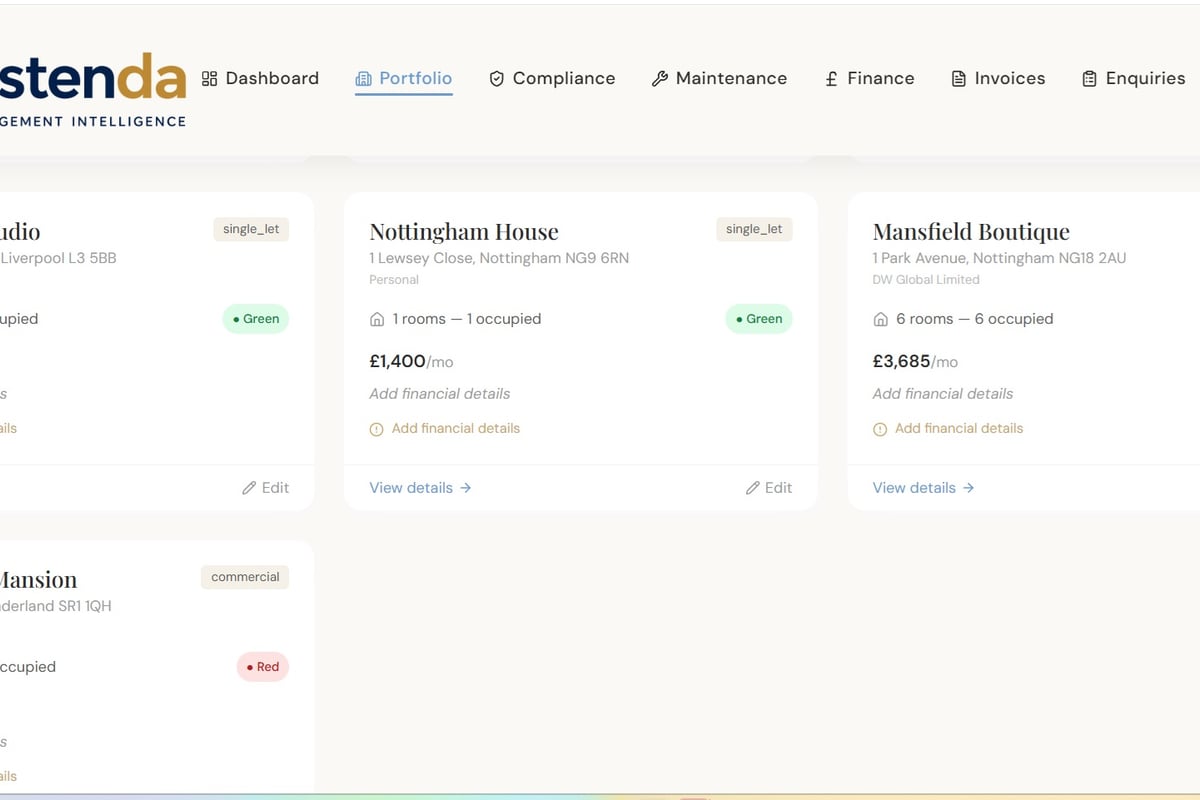
Certificate property management software designed for portfolios provides visual dashboards showing compliance status across all properties simultaneously. Color-coded indicators highlight which properties need immediate attention, upcoming renewals, and properties fully compliant.
These dashboards should display:
- Properties with expired certificates requiring urgent action
- Certificates expiring within 30, 60, and 90 days
- Properties with all certificates current and valid
- Properties with pending inspections or contractor appointments
- Historical compliance trends showing improvement or deterioration
The ability to filter views by property type, location, or managing agent helps landlords with diverse portfolios focus on specific segments requiring attention.
For landlords managing properties through multiple SPVs and limited companies, the platform should consolidate compliance data across all entities while maintaining proper separation for reporting and audit purposes. The Landlord Growth package specifically addresses this need for landlords with up to 10 properties, providing portfolio-wide visibility alongside automated invoice generation and compliance alerts that help you stay ahead of renewal deadlines.
Contractor Management and Quality Control
Effective certificate property management includes vetting and tracking the contractors who conduct inspections. Maintaining relationships with reliable, qualified professionals ensures consistent service quality and reliable certificate issuance.
| Contractor Verification | Check Frequency | Documentation Required |
|---|---|---|
| Gas Safe Registration | Before each job | Current registration number and card photo |
| Electrician Qualifications | Annually | Certification scheme membership proof |
| EPC Assessor Accreditation | Before initial engagement | Accreditation body verification |
| Insurance Coverage | Annually | Current public liability certificate |
Building a preferred contractor list within your management system streamlines the booking process and ensures you're working with verified professionals. Your system should store contractor credentials, track their performance, and flag when their own certifications need renewal.
The Financial Impact of Certificate Compliance
Beyond avoiding penalties, proper certificate property management delivers measurable financial benefits that directly impact your bottom line.
Preventing Penalty Costs and Legal Fees
Non-compliance penalties have increased substantially in recent years. Local authorities now actively enforce certificate requirements, particularly for HMOs and properties in selective licensing areas.
Common penalty scenarios:
- Expired gas safety certificate: £6,000 fine plus potential criminal prosecution
- Missing EPC during marketing: £5,000 civil penalty
- Operating unlicensed HMO: Unlimited fine plus rent repayment orders up to 12 months
- Electrical safety non-compliance: Unlimited fine and potential manslaughter charges if accidents occur
The financial risk extends beyond fines. Tenants can pursue rent repayment orders through tribunal proceedings when landlords fail to maintain proper certificates. These orders can require repayment of up to 12 months rent even when the tenant continues occupying the property.
Insurance and Mortgage Implications
Certificate property management affects your ability to obtain and maintain property insurance. Most landlord insurance policies include clauses requiring current safety certificates as a condition of coverage.
A property fire caused by faulty electrics when the EICR has expired could result in claim denial, leaving you personally liable for all damages. Similarly, buy-to-let mortgage lenders increasingly request proof of compliance certificates during annual reviews and refinancing applications.
Demonstrating robust certificate management strengthens your position when negotiating better insurance rates or securing favorable mortgage terms. Lenders view landlords with systematic compliance processes as lower-risk borrowers.
Digital Transformation of Certificate Management
The shift from paper-based certificate filing to digital platforms represents more than simple convenience. It fundamentally changes how landlords approach compliance management.
AI-Powered Document Processing
Modern certificate property management platforms use artificial intelligence to extract key information from uploaded certificates. The system reads contractor documents, identifies expiration dates, extracts property addresses, and automatically updates compliance trackers.
This AI extraction eliminates manual data entry errors and ensures your compliance database remains accurate. When contractors email certificates, the system can automatically process attachments, file them correctly, and trigger tenant notifications without any manual intervention.
Mobile Access and Remote Management
Cloud-based certificate management enables portfolio oversight from anywhere. Landlords traveling for business or managing properties remotely can instantly verify compliance status, approve contractor quotes, and respond to local authority requests from their mobile devices.
The platform should provide instant access to certificate copies when local authorities request evidence during property inspections. Having documents available within seconds demonstrates professionalism and can prevent enforcement actions based on suspected non-compliance.
Mobile platform advantages:
- Instant compliance verification during property viewings or tenant inquiries
- Quick response to local authority inspection requests
- Real-time contractor communication and appointment scheduling
- Immediate certificate review and approval following inspections
- On-site document access during property visits or emergencies
Tenant Communication and Certificate Delivery
Certificate property management includes proving you've properly notified tenants of safety inspection results. Simply conducting inspections isn't sufficient-you must demonstrate certificates were delivered within legal timeframes.
Automated Tenant Notification Systems
Modern platforms automatically generate tenant notification emails when new certificates are issued. The system attaches certificate copies, logs delivery confirmation, and maintains permanent records of when tenants received documents.
This automation protects landlords during disputes. If a tenant claims they never received a gas safety certificate, you can produce timestamped delivery confirmations showing exactly when the document was sent and whether the tenant opened the email.
For properties with multiple tenants, particularly HMOs, the system should track which specific individuals received certificates and maintain separate delivery confirmations for each tenant. This granular record-keeping proves invaluable during tribunal proceedings or local authority investigations.
Creating Tenant Certificate Portals
Forward-thinking landlords provide tenants with secure portal access where they can view current certificates, request copies, and check compliance status independently. This transparency builds trust and reduces administrative burden from tenant requests for certificate copies.
The portal should display:
- Current certificates for their specific property with download options
- Upcoming inspection schedules and access requirements
- Historical certificates from previous years
- Emergency contact information for gas and electrical emergencies
- Ability to report safety concerns requiring immediate attention
Tenant portals reduce email volume by 40% for landlords who implement them, freeing time for more strategic portfolio management activities.
Regulatory Changes and Future-Proofing Compliance
Certificate property management requirements continuously evolve as governments strengthen tenant protection regulations. Staying ahead of upcoming changes prevents last-minute scrambles when new requirements take effect.
Awaiting Homes (Fitness for Human Habitation) Developments
The Homes (Fitness for Human Habitation) Act 2018 established broad standards that properties must meet to remain legally rentable. While not certificate-based, this legislation influences what inspectors assess and what landlords must prove during compliance checks.
Future regulations likely will introduce additional certificate requirements around carbon monoxide detection, water quality testing, and property security standards. Landlords using flexible certificate property management systems can easily incorporate new certificate types without overhauling their entire compliance process.
Preparing for Tenant Reform Legislation
The government's planned tenant reform legislation includes proposals for mandatory property portals displaying compliance certificates and safety records. These portals would give prospective tenants direct access to safety information before signing tenancy agreements.
Landlords already using digital certificate management systems will transition seamlessly to these public portals, while those still using paper files will face significant digitization projects. Starting digital transformation now positions your portfolio ahead of regulatory requirements.
Integration with Accounting and Tax Reporting
Certificate property management connects directly to financial record-keeping when inspection costs, renewal fees, and contractor payments flow through your accounting system.
Properties managed through integrated platforms automatically record certificate-related expenses against the correct property, allocate costs to appropriate tax categories, and generate reports showing compliance spending across your portfolio.
This integration simplifies tax preparation by clearly documenting allowable expenses. Inspection fees, license costs, and repair work identified during certificate inspections all qualify as tax-deductible expenses when properly documented and categorized.
For landlords with questions about maximizing tax efficiency while maintaining compliance, connecting with property management specialists can provide valuable guidance tailored to your specific portfolio structure. You can reach out for personalized advice on optimizing your certificate management approach.
Effective certificate property management protects your investment, keeps tenants safe, and ensures regulatory compliance across your entire portfolio. The shift to digital platforms, AI-powered document processing, and automated renewal workflows transforms compliance from a administrative burden into a streamlined operation that reduces risk and saves valuable time. Astenda provides UK landlords with the intelligent tools needed to track certificates, monitor compliance, and maintain complete visibility across single-let and HMO properties through one unified platform that grows with your portfolio.
Get a live view of your whole property portfolio.
Start your 30-day free trialGeneral information only. This is not legal, tax or financial advice. Rules change and vary by council, so check GOV.UK or take professional advice.