Section 8 Notice Template: A Guide for UK Landlords
Serving a Section 8 notice is one of the most serious steps a landlord can take when managing a tenancy. Whether you're dealing with rent arrears, antisocial behaviour, or breaches of the tenancy agreement, understanding how to correctly use a section 8 notice template is essential for protecting your investment and maintaining your HMO portfolio. This guide walks you through everything UK landlords need to know about Section 8 notices, from selecting the appropriate grounds to completing the paperwork accurately.
What Is a Section 8 Notice
A Section 8 notice is a formal document that allows landlords to seek possession of their property when a tenant has breached the terms of their tenancy agreement. Unlike other possession routes, Section 8 specifically applies when certain fault-based grounds are met.
The notice derives its name from Section 8 of the Housing Act 1988. It provides a legal framework for landlords to begin possession proceedings based on specific grounds outlined in the Act. These grounds range from serious rent arrears to property damage and antisocial behaviour.
When properly served, a Section 8 notice initiates the formal possession process. You cannot simply ask a tenant to leave without following the correct legal procedure. The notice informs the tenant of your intention to apply for a possession order and gives them an opportunity to rectify the breach or prepare to leave.
For HMO landlords managing multiple tenants under different agreements, understanding when and how to serve a section 8 notice template becomes particularly important. Each tenancy must be handled individually, and the grounds you rely upon must be clearly established before you begin the process.
Choosing the Right Grounds for Possession
Section 8 provides seventeen different grounds for possession, divided into mandatory and discretionary categories. Mandatory grounds require the court to grant possession if proven, while discretionary grounds leave the decision to judicial discretion.
Mandatory Grounds
The most commonly used mandatory grounds include:
- Ground 8: Serious rent arrears (specific thresholds apply at the date of notice and hearing)
- Ground 7A: Persistent delay in paying rent that has caused substantial arrears
- Ground 7: Persistent delay in paying rent (notice only ground, rarely used alone)
Ground 8 is particularly relevant for HMO landlords dealing with rent collection challenges. When arrears reach the prescribed level, the court must grant possession, making this a powerful tool for addressing non-payment.

Discretionary Grounds
Discretionary grounds give the court flexibility to consider whether possession is reasonable. Common discretionary grounds include:
- Ground 10: Rent arrears (some rent unpaid at both notice and hearing dates)
- Ground 11: Persistent delay in paying rent
- Ground 12: Breach of tenancy agreement (excluding rent)
- Ground 13: Deterioration of property or common parts due to tenant behaviour
- Ground 14: Nuisance, annoyance, or antisocial behaviour
For HMO properties, Ground 14 becomes especially important when one tenant's behaviour affects others. Antisocial behaviour can quickly disrupt an entire household, making swift action necessary.
| Ground Type | Court Decision | Common Use Cases |
|---|---|---|
| Mandatory | Must grant if proven | Serious rent arrears, persistent payment issues |
| Discretionary | May grant if reasonable | Minor breaches, property damage, nuisance behaviour |
| Notice Only | Cannot grant alone | Supporting evidence for other grounds |
The National Landlords Association provides detailed guidance on selecting appropriate grounds and understanding the nuances of each category.
Understanding Notice Periods and Timing
The notice period required for a Section 8 notice depends on which ground you're relying upon. Different grounds carry different minimum notice periods, and serving notice with insufficient time can invalidate the entire process.
Some grounds require only two weeks' notice, while others require two months. Ground 8 (serious rent arrears) allows for just two weeks, reflecting the urgency of significant non-payment. Discretionary grounds like Ground 12 (breach of agreement) typically require two months.
The notice period begins the day after the tenant receives the notice, not the day you post it. When calculating deadlines, count the exact number of days rather than assuming calendar months. This precision matters when court dates are set.
Service Methods Matter
How you serve the section 8 notice template affects when the notice period begins. Hand delivery provides the clearest evidence, but posting by first-class mail or leaving it at the property are also acceptable methods. Always keep proof of service.
Consider these service options:
- Hand delivery to the tenant personally (obtain signed receipt)
- First-class post to the property address (keep postal receipt)
- Leaving it at the property in a secure location
- Email delivery (only if tenancy agreement specifically permits)
For HMO properties where tenants share communal areas, ensure you serve notice to the correct individual tenant. Posting a notice in a shared space does not constitute proper service for any specific tenant.
Completing Your Section 8 Notice Template
A valid section 8 notice template must contain specific information to meet legal requirements. Missing or incorrect details can result in the court rejecting your possession claim, wasting time and legal fees.
The notice must clearly identify:
- The property address
- The tenant's full name(s)
- The grounds being relied upon
- The notice period given
- The earliest date proceedings can begin
Essential Information Requirements
Start with accurate property details. For HMOs, specify the exact room or unit if tenants have individual agreements for specific spaces. Include any identifying features that distinguish one tenancy from another within the same building.
List the grounds numerically using the format "Ground 8", "Ground 10", etc. For each ground, provide specific particulars explaining why that ground applies. Vague statements like "rent arrears" aren't sufficient. State the exact amount owed, the dates of non-payment, and how the arrears accumulated.
When citing breach of tenancy terms under Ground 12, quote the specific clause breached and describe the breach in detail. For example: "The tenant has breached Clause 4.3 of the tenancy agreement which states 'No pets are permitted' by keeping two dogs in the property from approximately March 2026 to present."

Common Template Mistakes to Avoid
Even experienced landlords make errors when completing Section 8 notices. These mistakes frequently invalidate notices:
- Using an outdated form version (always download current forms from GOV.UK)
- Selecting grounds without proper evidence to support them
- Calculating notice periods incorrectly
- Failing to sign and date the notice
- Omitting required particulars for chosen grounds
- Mixing up Ground numbers or descriptions
HMO landlords juggling multiple tenancies should create a checklist for each notice served. Track which grounds apply to which tenant and maintain organised evidence files for each case.
Evidence Gathering and Documentation
Before serving a section 8 notice template, gather comprehensive evidence supporting your chosen grounds. Courts require proof that the grounds existed both when you served the notice and when you apply for possession.
For rent arrears cases, maintain detailed records showing:
- Rent due dates and amounts
- Payments received (dates, amounts, methods)
- Running arrears balance
- Communication with the tenant about arrears
- Any payment arrangements offered or agreed
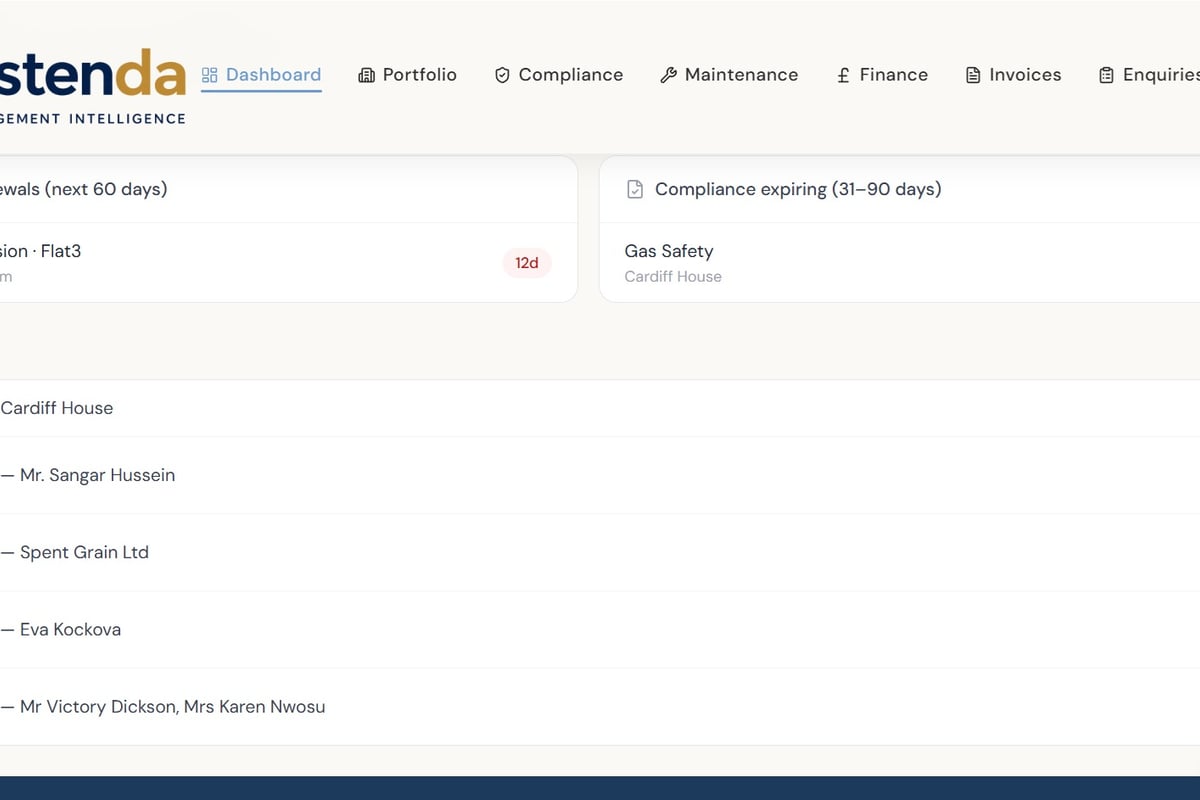
Property management software designed for HMO landlords can automatically track rent payments and generate arrears reports. Astenda's Landlord Growth package generates invoices and alerts you when arrears develop or compliance certificates near expiration, helping you maintain the documentation needed for possession proceedings.
Documenting Tenancy Breaches
When relying on breach of agreement grounds, photograph or video evidence becomes crucial. Time-stamp all evidence and store it securely. For antisocial behaviour claims, collect witness statements from neighbours or other tenants.
Consider maintaining:
- Dated photographs of property damage or unauthorised alterations
- Written complaints from neighbours (with contact details)
- Police incident numbers for serious antisocial behaviour
- Records of your attempts to resolve issues before serving notice
- Copies of written warnings sent to the tenant
For HMO properties, breaches affecting compliance with licensing requirements can support possession grounds. Document any actions by the tenant that jeopardise your licence conditions, such as overcrowding or obstructing safety equipment.
Special Considerations for HMO Landlords
Managing Section 8 proceedings in HMOs presents unique challenges. Multiple tenants sharing facilities means one problematic tenancy can affect everyone, but you must still treat each tenancy independently.
Joint tenancies complicate Section 8 notices further. When tenants hold a joint tenancy, you must typically serve notice on all joint tenants, even if only one person breached the agreement. However, the behaviour of one joint tenant can form grounds against the entire tenancy.
Protecting Other Tenants
When serving a Section 8 notice on one HMO tenant for antisocial behaviour, consider how proceedings might affect others sharing the property. Other tenants may provide valuable witness statements supporting your case.
Communicate appropriately with uninvolved tenants without breaching the departing tenant's privacy. You can inform them that you're addressing the situation through proper legal channels without disclosing specific details of the notice or grounds.
Compliance During Proceedings
Ensure your property remains compliant throughout possession proceedings. Courts look unfavourably on landlords seeking possession while failing their own obligations. Check that:
- All safety certificates remain current
- HMO licensing is valid and conditions met
- Deposit protection requirements are satisfied
- Required prescribed information was properly served
Non-compliance on your part can provide grounds for the tenant to defend possession claims or counterclaim. Keep detailed compliance records and renew certificates before they expire.
After Serving the Notice
Serving the section 8 notice template begins a formal process, but it doesn't guarantee possession. The notice period simply allows you to apply to the court for a possession order once it expires.
During the notice period, the tenant may:
- Remedy the breach (pay arrears, stop prohibited behaviour)
- Negotiate a settlement or payment arrangement
- Prepare a defence to possession proceedings
- Continue living at the property (they don't have to leave voluntarily)
Keep communication professional and documented. If the tenant contacts you about the notice, respond in writing and keep copies. Any agreements reached should be formalised in writing and signed by both parties.
When the Notice Period Ends
If the tenant hasn't left by the date specified in the notice, you cannot force them out. You must apply to the court for a possession order. Never attempt to evict a tenant yourself through changing locks, removing belongings, or cutting utilities. These actions constitute illegal eviction and carry serious penalties.
The court application process requires completing additional forms, paying court fees, and potentially attending hearings. The timeframes vary depending on court scheduling and whether the tenant defends the claim.
Section 8 vs Other Possession Routes
Landlords sometimes confuse Section 8 with other possession procedures. Understanding the differences helps you choose the most appropriate method for your circumstances.
The key distinction between Section 8 and Section 21 historically lay in fault requirements. However, recent legislative changes have affected possession procedures. For current guidance on possession proceedings and notice requirements under the latest legislation, consult GOV.UK directly.
| Feature | Section 8 | Other Considerations |
|---|---|---|
| Grounds required | Yes, must prove specific grounds | Procedures vary by situation |
| Tenant fault | Yes, based on breach or arrears | Depends on method |
| Notice period | Varies by ground | Consult current legislation |
| Court decision | Depends on ground (mandatory/discretionary) | Varies |
Using Multiple Grounds
You can cite multiple grounds in a single section 8 notice template. This strategy provides backup if evidence for one ground proves insufficient. However, only include grounds you can genuinely prove.
For example, when dealing with rent arrears and property damage, cite both Ground 10 (arrears) and Ground 13 (deterioration of property). If arrears are subsequently paid but damage remains, you still have an alternative ground to pursue.
Record Keeping and Ongoing Management
Effective record keeping throughout the Section 8 process protects you legally and helps track your case's progress. Create a dedicated file for each possession case containing:
- Copy of the served notice with proof of service
- All evidence supporting your grounds
- Correspondence with the tenant
- Court documents and hearing dates
- Payment records and arrears calculations
- Witness statements and supporting documentation
Property management systems help centralise this information. Track important dates, set reminders for court deadlines, and maintain an audit trail of all communications. For landlords managing multiple HMOs, systematic record keeping prevents confusion between different cases.
Learning from Each Case
Each Section 8 process provides lessons for future lettings. Review what led to the notice being served and consider preventative measures:
- Could better tenant referencing have identified problems earlier?
- Were warning letters sent at appropriate stages?
- Did your tenancy agreement clearly prohibit the behaviour in question?
- How can you improve rent collection to prevent arrears developing?
These insights improve your overall property management approach and reduce future possession proceedings. Successful HMO management relies on preventing problems before formal action becomes necessary, but knowing how to properly execute a Section 8 notice remains an essential skill.
Understanding how to properly complete and serve a section 8 notice template protects your property investment and ensures you follow correct legal procedures when tenancy issues arise. Whether you're managing a single HMO or a small portfolio, maintaining organised records, staying compliant with licensing requirements, and documenting everything thoroughly will support your position should possession proceedings become necessary. Astenda helps UK HMO landlords track compliance deadlines, manage rent collection, and maintain the detailed records needed for effective property management. Explore how purpose-built software can simplify your day-to-day operations.
Get a live view of your whole property portfolio.
Start your 30-day free trialGeneral information only. This is not legal, tax or financial advice. Rules change and vary by council, so check GOV.UK or take professional advice.